
Hearing Aid Styles
Receiver-In-Canal (RIC) Hearing Aids
The RIC style hearing aid offers a discreet, open-fit design with above-average sound quality — ideal for those seeking comfort and clarity in everyday listening environments.
Receiver-In-Canal Function and Appearance
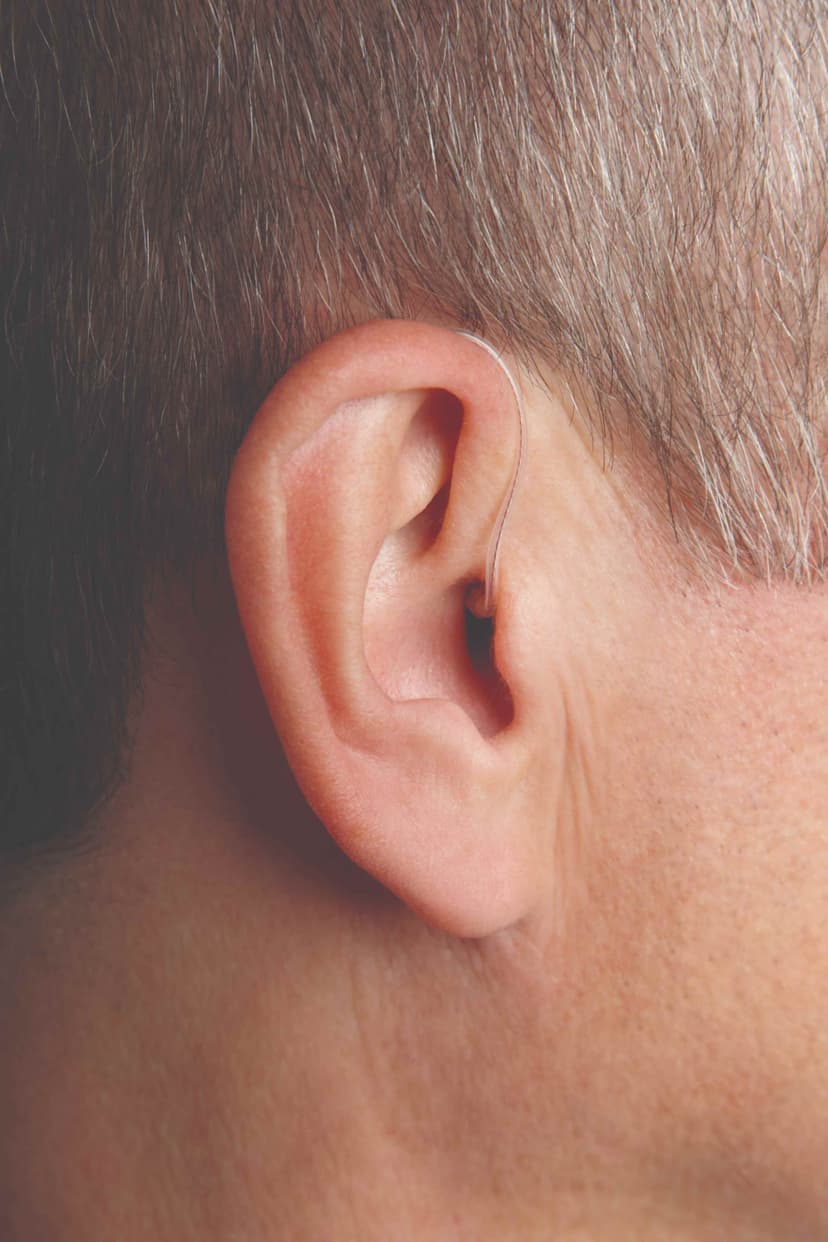
The receiver-in-canal (RIC) hearing aid has an open-fit style. Rather than the speaker being located in the main body of the hearing aid, it is built into an insertable ear dome. The speaker sits in the ear canal with the microphone and processor positioned behind the ear in a tiny case. A small wire connects the two components, making the overall system exceptionally slim and unobtrusive.
This hearing aid style is known for producing above-average sound quality. It achieves exceptional clarity for the wearer, without whistling or buzzing, even when the surrounding environment is very noisy. The receiver-in-canal (RIC) hearing aid is ideal for individuals experiencing moderately severe high-frequency hearing loss.
Livingston Hearing Aid Center offers multiple hearing aid styles, including the RIC style, that enhance hearing in some of the most challenging environments. Our hearing care professionals work with each patient to determine the best fit for their hearing profile, lifestyle, and comfort preferences.
Key Features of the RIC Style
Discreet Design
Typically smaller and more discreet than a standard behind-the-ear (BTE) hearing aid. When fitted comfortably behind the ear, it is usually not visible when facing straight ahead.
Natural Sound Quality
"Open" fit design allows for a more natural sound quality of the wearer's own voice, reducing the "plugged up" sensation that some other styles can produce.
Clear Hearing in Noise
Achieves exceptional clarity for the wearer without whistling or buzzing, even when the surrounding environment is very noisy — ideal for active social settings.
Ideal for High-Frequency Loss
The RIC style is particularly well-suited for individuals experiencing moderately severe high-frequency hearing loss, offering targeted amplification where it is needed most.
Ready to Experience the RIC Difference?
Call us today at 866.842.2441 or set up an appointment online to learn more about the RIC style at a location near you.
Frequently Asked Questions
- What does RIC stand for in hearing aids?
- RIC stands for Receiver-In-Canal. It refers to a hearing aid style where the speaker (receiver) is placed in the ear canal rather than in the main body of the device behind the ear.
- How is a RIC hearing aid different from a BTE?
- In a standard BTE (behind-the-ear) hearing aid, the speaker is housed in the unit behind the ear. In a RIC, the speaker sits in the ear canal, connected by a thin wire. This allows for a smaller, more discreet device with a more natural sound.
- Is a RIC hearing aid comfortable to wear?
- Yes. The open-fit design and small insertable ear dome make RIC hearing aids comfortable for most wearers. The lightweight behind-the-ear component sits easily on the ear throughout the day.
- Who is the RIC style best suited for?
- RIC hearing aids are ideal for individuals experiencing mild to moderately severe high-frequency hearing loss. They are a popular choice for first-time hearing aid users due to their comfort and natural sound.
- Are RIC hearing aids visible when worn?
- RIC aids are designed to be discreet. When fitted properly, they are usually not visible when viewed straight-on. The thin wire and small ear dome blend naturally with the ear.
- Can RIC hearing aids connect to smartphones?
- Many modern RIC hearing aids offer Bluetooth connectivity, allowing them to stream audio directly from smartphones, TVs, and other devices.
- Do RIC hearing aids require batteries?
- RIC hearing aids are available in both disposable-battery and rechargeable versions. Ask your hearing care professional which option best fits your lifestyle.
- How do I get fitted for a RIC hearing aid?
- Contact Livingston Hearing Aid Center to schedule a free hearing evaluation. Our licensed professionals will assess your hearing and recommend the best style and technology for your needs.
It's easy to get started.
Compare hearing aid styles