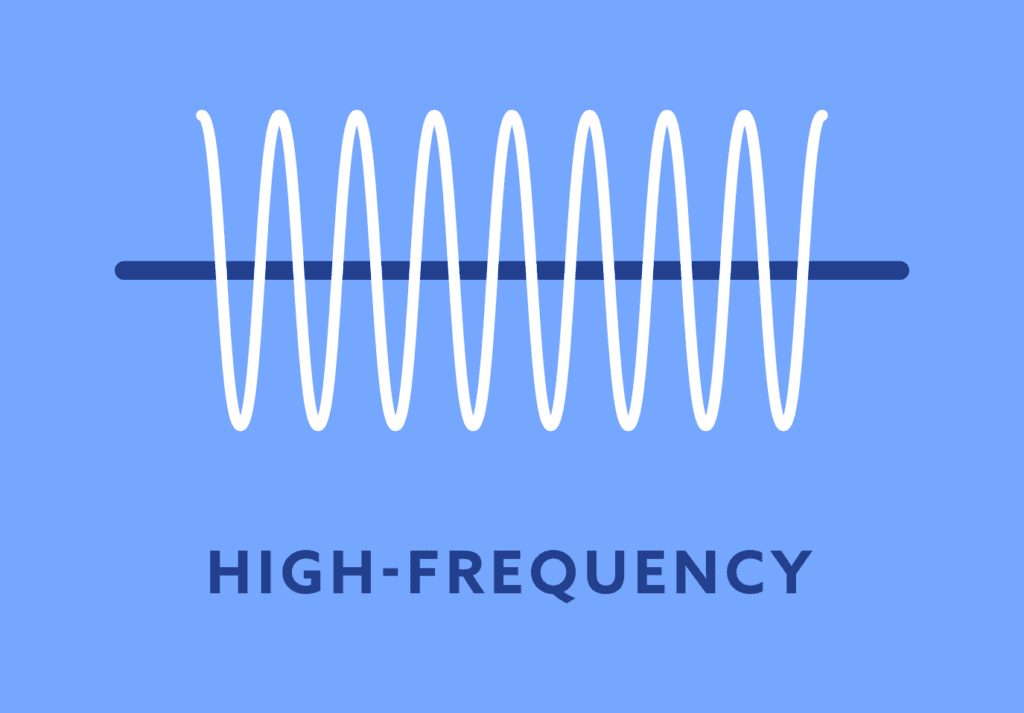
Hearing loss that occurs at high frequencies would be considered a “high-frequency loss”. Its configuration would show insufficient hearing at the higher frequencies and adequate or acceptable hearing at the lower frequencies.
What is low-frequency hearing loss?
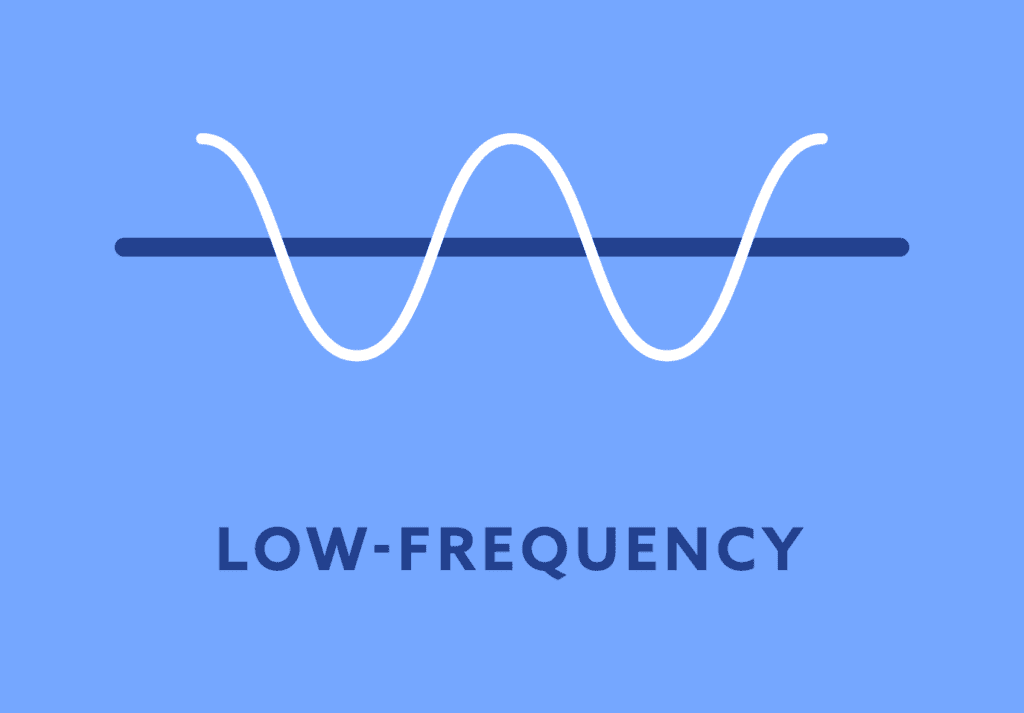
Hearing loss that occurs at low frequencies would be considered a “low-frequency loss”. Its configuration would show insufficient hearing at the lower frequencies and adequate or acceptable hearing at the higher frequencies.
What is flat hearing loss?
Some configurations are flat, indicating similar hearing loss for low and high tones.
Online hearing screening
only 5 minutes
Our online hearing screening test only takes 5 minutes, and you will receive your results instantly!
How is the configuration of hearing loss determined?
The configuration of hearing loss is determined through a comprehensive hearing evaluation, which includes pure-tone audiometry and speech audiometry tests to assess hearing sensitivity across various frequencies and speech understanding.
What is meant by the configuration of hearing loss?
The configuration of hearing loss refers to the specific pattern or shape of hearing loss across different frequencies, indicating which frequencies are affected and to what extent.
How does knowing the configuration of hearing loss impact treatment options?
Understanding the configuration of hearing loss helps audiologists and healthcare professionals tailor treatment options such as hearing aids or cochlear implants to address specific frequency ranges where hearing loss is most pronounced, optimizing speech understanding and overall hearing function.
Can the configuration of hearing loss change over time?
Yes, the configuration of hearing loss can change over time due to various factors such as aging, noise exposure, medical conditions, or interventions like hearing aid use or cochlear implants.